By Little Voices Speech and Language Therapy | Pediatric Speech Therapy in Fort Worth & Dallas, TX
If you've ever found yourself wondering, "Should my toddler be talking more by now?" you're not alone.
Maybe you've noticed other children your toddler's age using more words. Maybe your child understands everything you say but isn't using many words of their own. Or maybe you've been told, "Just wait, they'll talk when they're ready."
As pediatric speech-language pathologists, we hear these concerns from parents all the time.
The good news? There are so many ways to support your child's communication development, and you don't have to wait until there's a significant delay to get started.
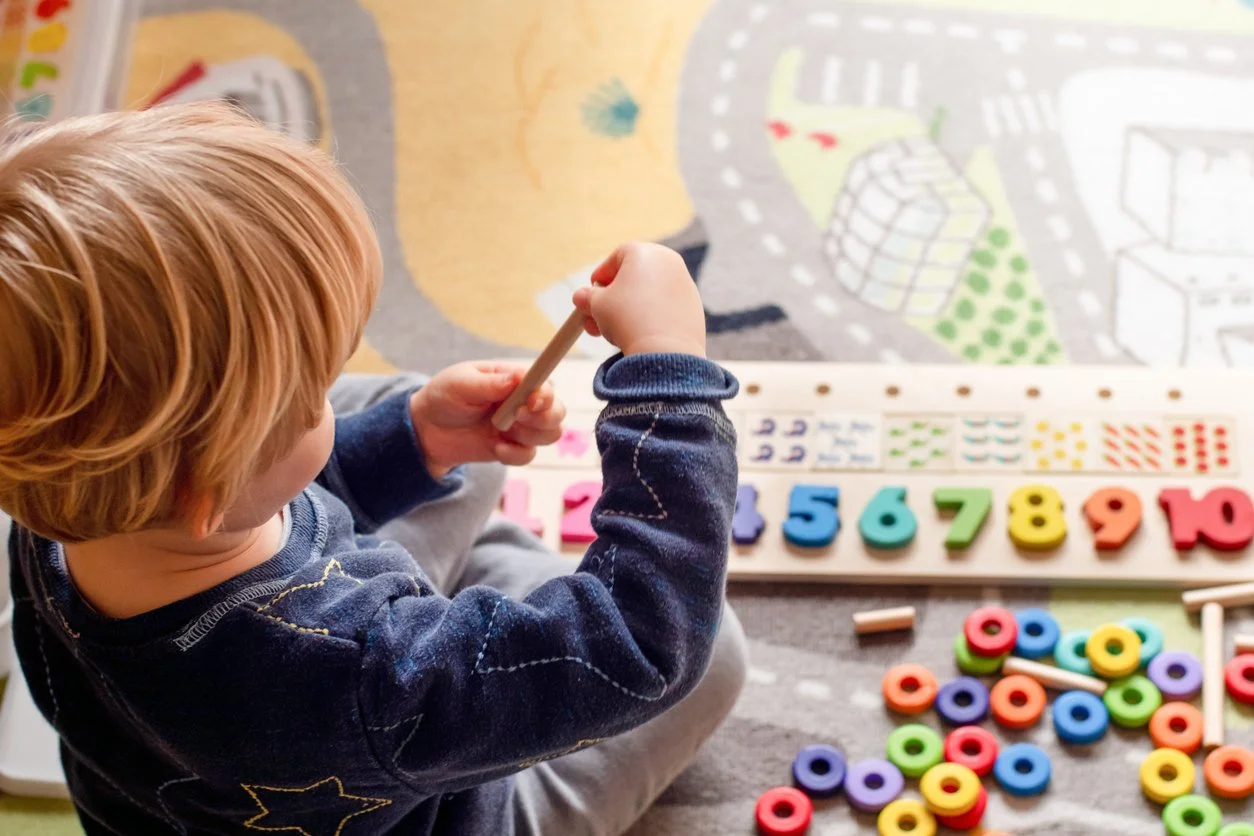
What Should My Toddler Be Saying?
Every child develops at their own pace, but there are general communication milestones that can help us understand how language skills are progressing.
Around 12 months:
Uses gestures such as pointing, waving, or reaching to communicate
Responds to familiar words and simple phrases
May begin using meaningful first words
Engages in back-and-forth interactions with caregivers
Around 18 months:
Attempts to communicate using words, gestures, and sounds
Uses a growing number of meaningful words
Follows familiar, simple directions
Points to request or share interests with others
Around 24 months:
Begins combining two or more words, such as "more milk" or "mama go"
Uses an expanding vocabulary to communicate wants, needs, and ideas
Understands simple questions and directions
Communicates for a variety of purposes, not just requesting
These milestones are general guidelines, not a checklist every child must follow exactly. However, if your child is not demonstrating several of these skills, it's worth talking with a speech-language pathologist.
"But My Toddler Understands Everything!"
This is one of the most common things we hear from parents.
And it's an important observation!
Language development includes two major areas:
Receptive language is what your child understands, such as following directions, recognizing familiar words, and responding to questions.
Expressive language is how your child communicates thoughts, needs, and ideas through gestures, sounds, words, and sentences.
A child may have strong receptive language skills while experiencing difficulty with expressive language.
So even if your toddler seems to understand everything you say, they may still benefit from additional support in learning to communicate.
Should I Wait Until My Child Is Three?
We often hear parents say they've been encouraged to wait and see whether their child's speech catches up.
While some children do develop language skills later than others, it's impossible to know which children will catch up independently and which will continue to need support.
Early intervention doesn't always mean beginning weekly speech therapy.
Sometimes it means meeting with a speech-language pathologist to discuss your concerns, learning strategies you can use at home, or completing an evaluation to better understand your child's communication development.
The earlier we identify areas where a child might need support, the sooner we can help families build meaningful communication skills.
And if your child is developing right on track? Having that reassurance can be valuable, too!
Three Simple Ways to Encourage Your Toddler's Language at Home
One of our favorite things to remind parents is that you don't need flashcards, expensive toys, or structured lessons to support language development.
Some of the best opportunities happen during everyday routines.
1. Model More, Question Less
Instead of repeatedly asking, "What's that?" or "Can you say ball?" try modeling words and phrases naturally during play.
For example:
Instead of: "What color is the car? Can you say car?"
Try: "Car! Fast car! Go, car, go!"
This allows your child to hear meaningful language without feeling pressured to respond.
2. Follow Your Child's Lead
Notice what captures your child's attention and join them in that activity.
If they're interested in stacking blocks, talk about the blocks. If they're watching a dog outside, talk about the dog!
Children are often more engaged when we're talking about something they're already interested in.
3. Add One Word
If your toddler says "car," you might respond with "big car!" or "car go!"
If they say "more," you could model "more bubbles!"
This simple strategy helps children hear slightly longer phrases while keeping language manageable and meaningful.
What Does Speech Therapy for Toddlers Actually Look Like?
At Little Voices Speech and Language Therapy, we believe young children learn best through play, connection, and meaningful interactions.
Our therapy sessions aren't about making toddlers sit at a table and repeat words.
Instead, we use activities children naturally enjoy to build communication skills while coaching parents on strategies they can carry over into everyday routines.
Depending on your child's needs, therapy may focus on:
Building early communication and interaction skills
Increasing vocabulary and word combinations
Supporting understanding of language
Encouraging gestures, sounds, and meaningful communication
Helping parents feel more confident supporting communication at home
Our goal isn't just to help children communicate during therapy sessions. It's to help them communicate more successfully throughout their everyday lives.
Wondering If Your Toddler Needs Speech Therapy?
You know your child best, and if something about their communication development has you wondering, it's okay to ask questions.
At Little Voices Speech and Language Therapy, we provide individualized, play-based pediatric speech therapy and parent coaching for families throughout Fort Worth, Dallas, and surrounding DFW communities.
Our team offers convenient services in homes, preschools, and private schools, helping children build communication skills in familiar, meaningful environments.
Whether you're looking for an evaluation, ongoing speech therapy, or simply guidance on how to support your toddler's language development, we'd love to connect with you.
Ready to learn more?
Contact Little Voices Speech and Language Therapy to schedule a consultation.
Because every little voice deserves to be heard. 💙